

Image Credit: Hello Magazine
If someone had told me just a few years ago that a humble mineral might be one of the unsung heroes of midlife, I’d have raised an eyebrow and muttered something about wellness fads and overpriced supplements.
And yet here we are.
Talking about magnesium -not as a miracle cure, not as a shiny new trend – but as something thats now seen as foundational for menopausal women.
Let’s be honest: peri- and post-menopause can feel like a riot of symptoms. Sleep that evaporates like mist. Hot flushes that turn you into your own personal radiator. Bones that suddenly feel like they’ve gone on strike.
Oh and yes it doesn’t magically stop post-menopause, either. Sorry.
No wonder we’re constantly looking for something – anything – that might take the edge off.
So… could magnesium genuinely help?
Biologically it’s powerful.
It’s involved in over 300 biochemical processes in the body, including:
As oestrogen fluctuates and then declines the systems magnesium supports are exactly the ones that can feel most fragile.
So many menopausal women report disrupted sleep. Often it’s one of the first signs something is shifting.
The 3am wake-ups.
The night sweats.
The restless mind that suddenly wants to review your entire life.
Magnesium plays a role in regulating gamma-aminobutyric acid {GABA}, a calming neurotransmitter and supports melatonin the hormone that governs sleep. Some research suggests supplementation (particularly well-absorbed forms such as magnesium glycinate) may modestly improve sleep quality, especially in those who are deficient.
And then there’s lived experience.
Over Christmas, my magnesium subscription arrived late, about a week later than usual. There had been later nights, festive chaos, broken routines. But what surprised me was how different I felt waking up.
Not just more tired.
A heavier, less restored kind of waking I hadn’t experienced for quite a while.
Now, of course, that’s not a clinical trial. I can’t separate magnesium from too many mince pies and prosecco. But it was noticeable enough to make me pause.
Magnesium won’t replace medical support where it’s needed. But for some women, it can be the difference between staring at the ceiling at 3am and actually drifting back off.
Perimenopause isn’t just physical. It’s emotional.
Anxiety spikes.
Patience thins.
You cry at adverts and then snap at the dishwasher not loading itself properly!
Magnesium influences the nervous system and stress hormones. Some studies suggest it may support mild anxiety and emotional wellbeing, particularly where levels are low.
It’s not therapy. It’s not a cure for deep trauma or chronic stress.
But it may provide steadier ground underneath an already overstimulated system.
And that can be a big deal.
Here’s where we stay honest.
A few small studies have suggested magnesium might reduce hot flush frequency or severity. But larger, well-controlled trials haven’t consistently shown significant benefits.
So the evidence here is mixed.
Some women swear by it. Others notice nothing.
Magnesium isn’t a guaranteed fix for menopausal symptoms and it’s important we don’t pretend it is.
Oestrogen decline affects more than symptoms. It influences long-term bone density and cardiovascular health.
Magnesium plays a role in:
-
Bone mineralisation working alongside calcium and vitamin D
-
Muscle and blood vessel relaxation
-
Supporting steady heart rhythm
These aren’t glamorous headline symptoms.
But they are the long game of ageing well.
Before you head to the supplement aisle, remember magnesium exists in ordinary, accessible foods:
-
Leafy greens like spinach
-
Nuts and seeds
-
Whole grains
-
Beans and lentils
-
Dark chocolate (yes, really)
A varied, balanced diet goes a long way.
But if symptoms persist, or diet alone isn’t cutting it, supplementation may be worth exploring ideally with your GP, pharmacist or menopause specialist, particularly if you’re on medication or have kidney issues.
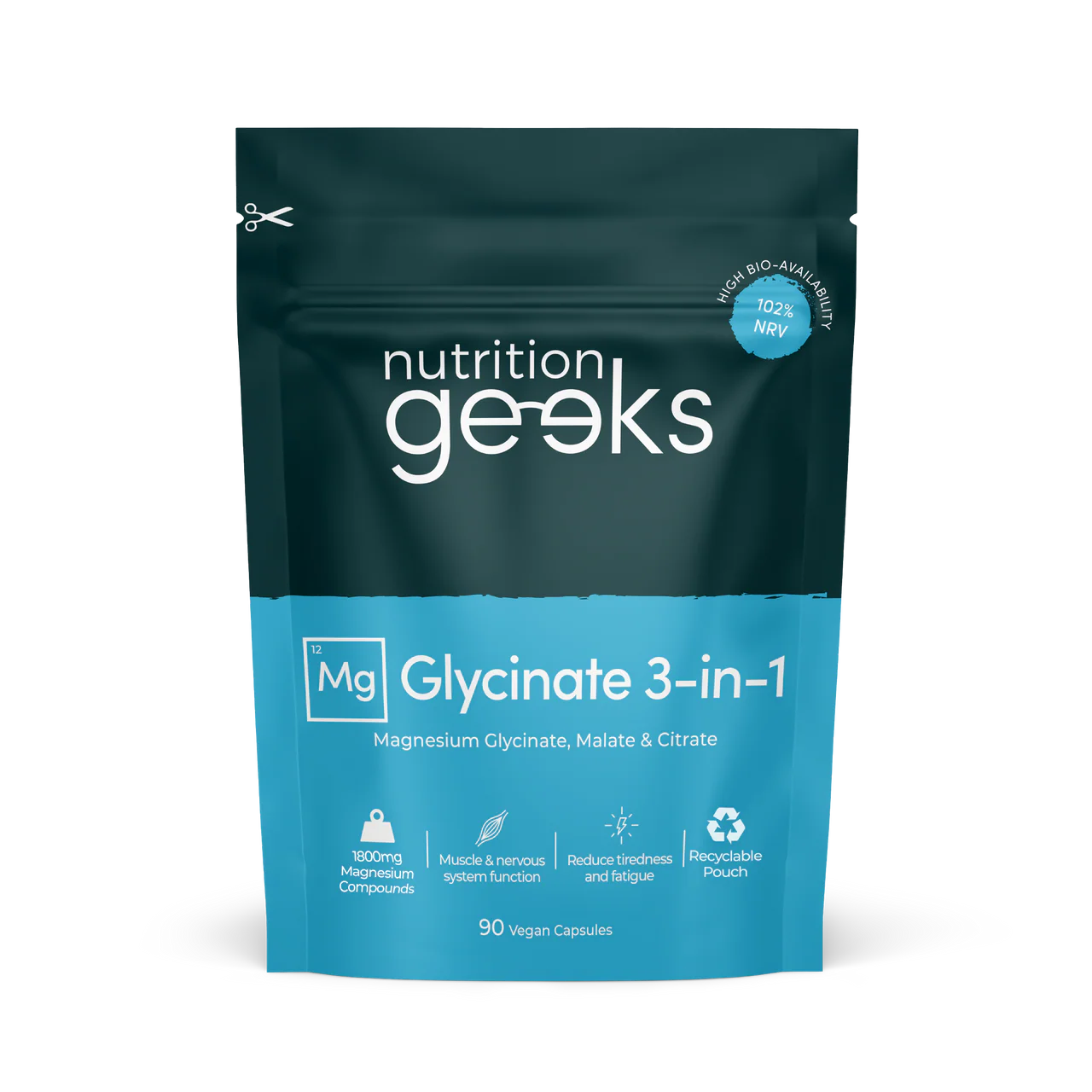
This is the brand of magnesium I take and have done for quite some years. Not an ad, no affiliation, just me sharing what works for me.
If you’re curious:
-
Prioritise magnesium-rich foods first
-
Consider a well-absorbed form (such as glycinate) if supplementing
-
Stay within recommended doses
-
Notice how you feel over time without obsessing
And while magnesium supports the body from the inside, tools like EFT and Rapid Tapping can help regulate the nervous system from the outside, easing stress and calming that midlife overstimulation many of us recognise.
Think of it as a pairing.
Nutritional support underneath.
Nervous system support alongside.
Magnesium is essential for nerve, muscle and bone function. Many adults don’t meet optimal intake levels.
Research suggests it may support sleep quality and mild anxiety particularly where deficiency exists. Evidence for hot flush reduction is mixed and not conclusive.
So think of magnesium as a supportive foundation not a miracle solution.
Midlife deserves evidence, not hype.
Peri- and post-menopause are not neat transitions. They are layered, personal, and definitely sometimes bewildering.
We deserve practical tools.
We deserve transparency.
We deserve support that respects both science and lived experience.
Magnesium won’t solve everything.
But it might quietly strengthen the ground beneath your feet, supporting sleep, mood, bones and nervous system stability at a time when things can feel anything but stable.
And sometimes, in midlife, steady is more than enough.
With love,
