
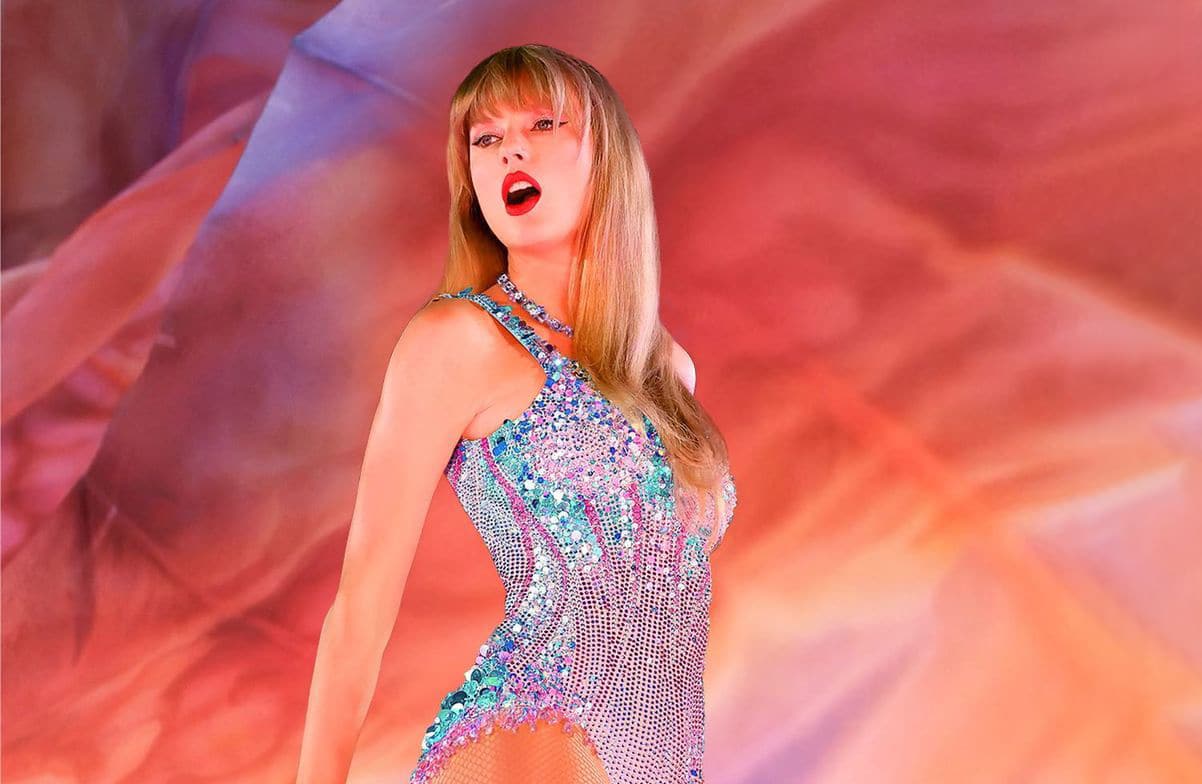
Taylor Swift is the most famous person in the world, and has had a massive economic impact as female consumers have fueled her success. It’s only natural for Walt Disney World and other businesses to wonder what lessons they can learn from the “Summer of Women” and “Swiftonomics.”
During her Eras Tour, Taylor Swift tapped into the spending power of women eager to splurge on in-person communal experiences, travel, and seeing their idol live. The singer-songwriter, named by Forbes the second-richest woman in the U.S. music industry, smashed records for ticket prices, crowds of fans and revenues.
The Federal Reserve stated that Swift’s tour helped stimulate travel and tourism. The resiliency of consumers attending is said to be a contributor to inflation. The Eras Tour could generate up to $4.6 billion in consumer spending for the U.S. economy in total. You’ve almost certainly seen countless headlines about Taylor Swift’s economic impact and record-breaking success of pretty much everything she’s done. None of this is really news at this point, nor is it related to Disney. But stick with me…
Late 2025 Update
Since we first published this article two years ago, there have been a couple of major developments. The most recent is that a new Taylor Swift display has arrived at Walt Disney Presents in Disney’s Hollywood Studios, bringing three original costumes from the Eras Tour to Walt Disney World. The limited-time exhibit at DHS ties to the launch of the new Disney+ ‘End of an Era’ Taylor Swift docu-series.
In and of itself, this is not particularly noteworthy. It is kind of odd to have a Taylor Swift costume display in Walt Disney Presents, but this has become something of a flex space over the years. This is just the biggest stretch for the space. Perhaps these costumes should’ve gone elsewhere. And not just due to their thematic fit. Moreso due to overwhelming demand.

Walt Disney Presents is now reportedly opening during Early Entry at Disney’s Hollywood Studios, which is because it’s become one of the most popular attractions in the park since Swift’s original costumes debuted.
It’s not just the longer hours–the demand is undeniable, as evidenced by an organized line through the display. Not even the debut of the Tropical Americas model a month ago moved the needle on the popularity of Walt Disney Presents like this!
The sky-high popularity of a simple costume display proves pretty unequivocally that a Taylor Swift attraction at Walt Disney World would be a smash sensation. Well, about that…

The other, less-recent development since we originally published this article is that Walt Disney World will soon replace rockstars Aerosmith with Rock ‘n’ Roller Coaster Starring the Muppets. This was announced about a year ago, so not exactly new-news, and the phased reimagining is now underway in the pre-show. The redone ride will debut in Summer 2026.
This is notable because for a while, we had discussed the prospect of an inevitable Rock ‘n’ Roller Coaster reimagining. In assessing the possible replacement candidates, we always ranked “Taylor’s Version” of the roller coaster as among the most likely candidates. (Higher than the Muppets and every other option except Marvel. Looks like we got that one wrong…for now!)
Once Rock ‘n’ Roller Coaster was taken off the table, we turned our attention to ways that Walt Disney World could “respond” to Epic Universe. Among the most likely candidates? Playing the “Taylor Swift Card.”

Here’s what we most recently wrong about leveraging Disney’s relationship with Swift as a counter to Epic Universe:
Disney spent a reported $75 million to acquire the exclusive streaming rights to Taylor Swift’s Eras Tour. I’m no math whiz, but that sounds like a lot of money to me. And you know what? It was probably worth every penny for the new Disney+ subs it added.
Love or hate her, there’s no denying Taylor Swift’s popularity–she transcends pop stardom at a level probably not seen since Michael Jackson. This is one attraction overlay that would bring an entirely new audience to Walt Disney World. An attraction featuring Taylor Swift could alone be a legitimate answer to Epic Universe in terms of drawing power, which is sorta depressing…but also accurate.
As for what this could be–your guess is as good as mine. The last time the world had this big of a pop star, Disney brought in George Lucas and Francis Ford Coppola and made Captain EO with him and a bunch of space Muppet kinda critters. George Lucas seems to have plenty of free time and Francis Ford Coppola needs some money now that Megalopolis has bombed, so maybe we can get Captain ShE-O out of this.
As a huge Muppets fan who is largely indifferent to Taylor Swift (her music is perfectly fine; I’m not a fan nor am I hater), it’s still baffling to me that we’re getting a Muppets takeover of Rock ‘n’ Roller Coaster as opposed to “Taylor’s Version” of the ride. It’s just so obvious, and such a marketable addition to an attraction that’s already an E-Ticket.
On the other hand, the popularity of the costume exhibit at Walt Disney Presents would seem to prove that a Taylor Swift attraction doesn’t have to be anything truly special to have immense drawing power. So perhaps a 3D film at EPCOT or (better yet) Disney’s Hollywood Studios would do the trick. There are underutilized locations in both parks that could work.
Bigger Picture Lessons Disney Can Learn from Taylor Swift
Zooming out, there’s another lesson that Walt Disney World can learn, and it’s not about the need for a Taylor Swift attraction (although that wouldn’t hurt).
The bigger story is about the dominance of women as consumers. Swift’s success and the summer of women is not a one-off; it’s the culmination of economic and demographic shifts that have been under way for a decade or more, due to women having children later in life (if at all), female wage increases, and shifting household gender roles.
Median weekly earnings for women in full-time and salaried roles have climbed 30% over the last five years to $1,076 in the third quarter of this year, according to U.S. Bureau of Labor Statistics. Workforce participation among women ages 25 to 54 increased to 78% this year per BLS stats, up from 74.5% a decade earlier, while the percentage of women with children under 18 who work also rose during that period.
This is notable not just because it’s an all-time record, but because it quickly reversed the growing gender and parental status gap that emerged during 2020. If current trend-lines hold, expect that record to be broken again in 2026.
Women are not simply making ‘traditional’ decisions about purchasing products and services for their families. They are now using their growing purchasing power for discretionary spending on things and experiences specifically for themselves. Their power as consumers, as exhibited above, is still underappreciated by many companies.
For over a year, I’ve had a post in draft titled, “Are Demographics Disney’s Destiny?” (The answer is yes.) Then came the massive successes of those concert tours and Barbenheimer. Then I read an interesting article in the Wall Street Journal, “Women Own This Summer. The Economy Proves It.”

During the last decade, Walt Disney World invested heavily in Star Wars and Marvel. This is completely understandable. These were colossal acquisitions for the company, absolutely massive franchises, and neither had much of a presence in Walt Disney World prior to the last 5 years. Not only that, but the parks arguably lacked offerings that appealed to those core demos.
It made sense to spend an estimated $1 billion-plus on Star Wars: Galaxy’s Edge and several hundreds of millions of dollars on Guardians of the Galaxy: Cosmic Rewind. You could say hindsight’s 20/20, but it probably was less savvy to drop several hundreds of millions of dollars on Star Wars: Galactic Starcruiser. But whatever.
The point is that the biggest attractions and lands added to Walt Disney World during the last round of expansion were Star Wars and Marvel. I’m hesitant to draw broad generalizations based on stereotypes–anyone can like anything–but these are male-centric properties in terms of consumership. If you love them and you’re not a male, that’s fantastic! But the above conclusion doesn’t require stereotypes–we have statistics.
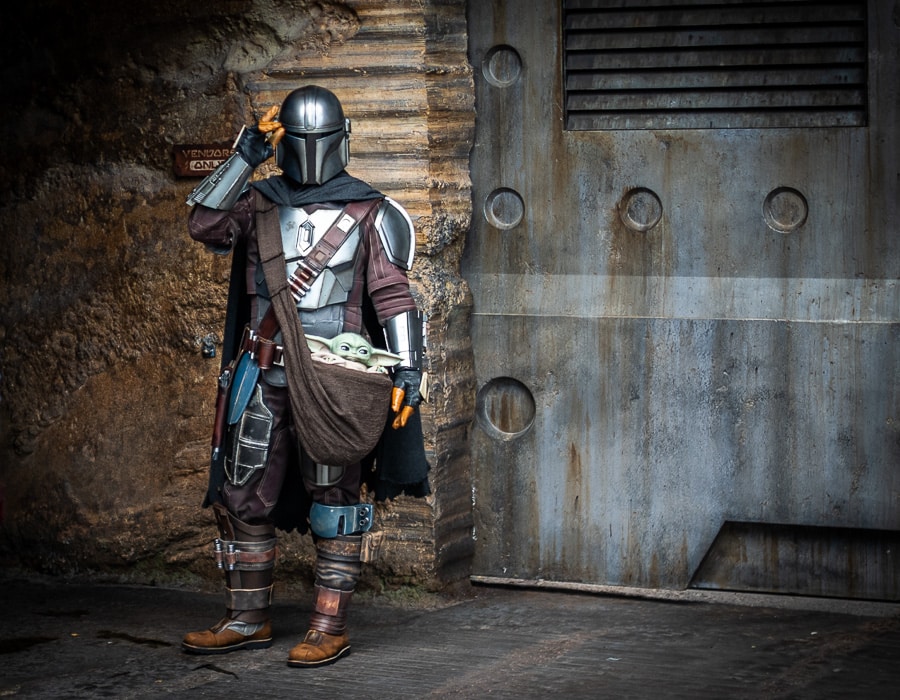
Survey after survey shows a gender gap in Star Wars fandom, with about a 60/40 split at the casual level and a deeper divide among the seriously invested. The numbers are closer with Marvel, but also murkier–different surveys cover comics and the MCU, while some lump the two together.
Nevertheless, MCU audiences are majority-male and millennial. (Marvel’s biggest problem, at least according to the data, is disinterest among Gen Z.) Even Avatar is slightly more popular with men based on box office receipts, which is another big addition from Walt Disney World’s last development cycle.
One lesson that can be learned from Taylor Swift is that women have a massive amount of purchasing power. It makes financial sense to meet these consumers where they are and offer distinct entertainment aimed at them, rather than simply attempting to make male-centric media more appealing to women, too. Casting a wider net can make sense, but so too can using different nets entirely.
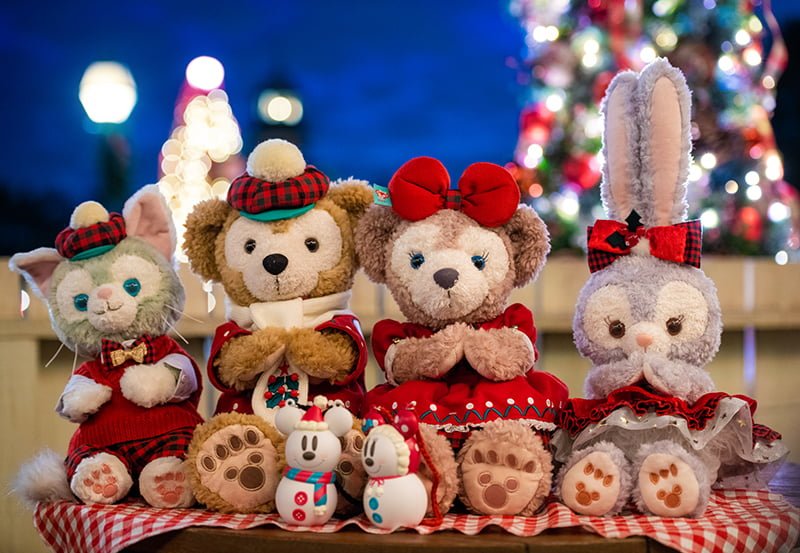
As it relates to Walt Disney World, this is interesting because the template for such an approach already exists: Tokyo Disneyland. Japan has long been contending with an aging and shrinking population, along with fears that it’d fall off a ‘demographic cliff.’
Japan has served as a cautionary tale for other countries (or preview of the future) for the last few decades. Since peaking in the late 1980s, Japan has endured multiple ‘lost decades’ of economic stagnation and a shrinking workforce. A third of Japanese people are now over 60 years old, and Japan has the oldest population in the world due to that and a low birth rate.
How Tokyo Disneyland grapples with this has been a topic of countless academic pieces, articles, books, and OLC executive interviews. One big way is Tokyo DisneySea, which was built and originally marketed as a mature foil to Tokyo Disneyland. This is evident both in its core designs and the more adult early advertisements.
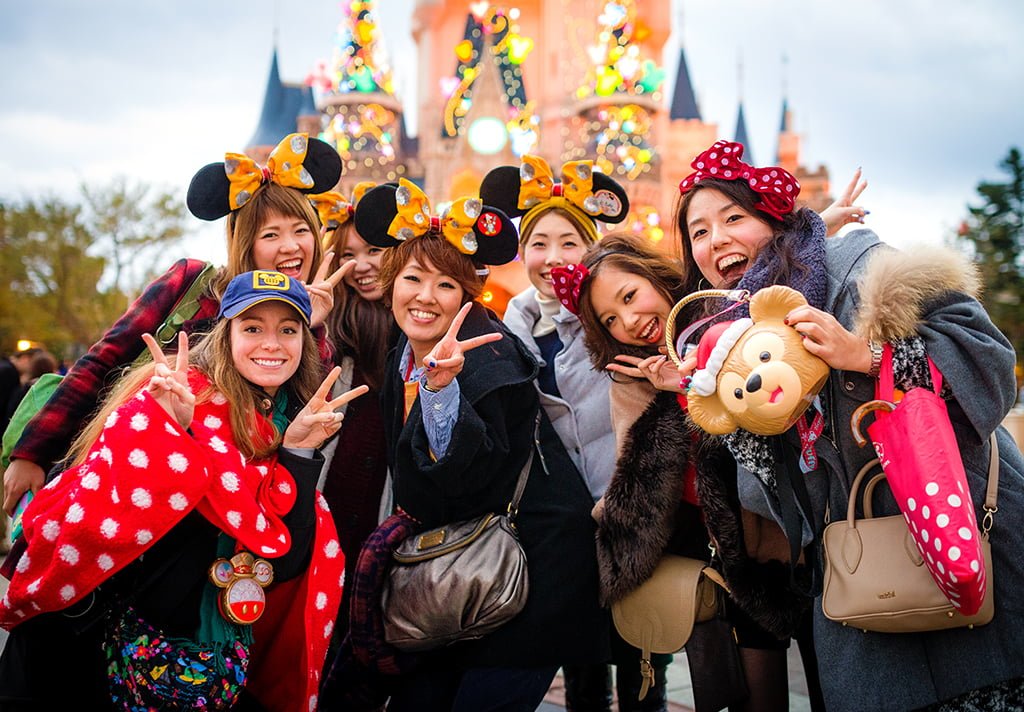
More significantly, Tokyo Disneyland aggressively attempts to appeal to women. OLC long ago recognized that its guest profile was predominantly female–a number that has been 70-78% of guests in the last decade. Children make up a relatively small percentage of guests–10% to 17% in the last decade.
In particular, Tokyo Disneyland is tremendously popular among Japan’s young full-time working women, many of whom have plenty of disposable income. These women “have become a major target market, with unique ‘cultural styles of consumption and self-expression,’” according to Harvard Magazine. “One such style is burikko, or pretending (buri) to act like a child (ko). Another is kawaii, or ‘cute.’ Together, these behavioral codes create the favorite expressive idiom…kawaiiko burikko, or pretending to be a cute child.”
Just about every unique wrinkle of Tokyo Disney Resort and decision made by OLC is with the young working woman demographic in mind. The Duffy Phenomenon, seasonal offerings, ticket types, and which attractions have been greenlit and which have not. Although OLC has never offered a formal explanation as to why they passed on Cars Land, Star Wars: Galaxy’s Edge, or any number of other recent expansion proposals they’ve been pitched, its guest profile is undoubtedly a big reason why.

This is why Tokyo Disneyland greenlit Enchanted Tale of Beauty and the Beast, Happy Ride with Baymax, Mickey’s Magical Music World, and Minnie’s Style Studio. With less than 10% of guests being under the age of 11 in its most recent guest profile report, it’s probably safe to say these attractions are not actually aimed at small children.
It’s a similar story with Fantasy Springs at Tokyo DisneySea. This new area is themed to Frozen, Tangled, and Peter Pan, with attractions that are mostly boat rides. All kid-friendly rides…that are not aimed at actual children. We’ve spent extensive time in the new land, parking a stroller and perusing the gift shop there many times. It’s very obvious that our daughter is not the target audience.
It would be reductionist to say that all of this is aimed exclusively at women. Kawaii culture is big across demographics in Japan, “Danshi Disney” (boys’ trips) are growing in popularity, there’s also the aforementioned aging population to consider in developing new attractions–and much more. But the numbers speak for themselves, and there’s little denying that OLC is building with its visitor stats front-of-mind.

To some extent, Walt Disney World is also doing this. Many of Walt Disney World’s most successful and lucrative merchandising initiatives–Spirit Jerseys, Loungefly, Pandora charms, color trends, ear headbands–have skewed towards millennial women with disposable income. So they’ve at least learned from the Tokyo Disney Resort merchandising team!
The main lesson that should be learned by Walt Disney World from Swift is that this demographic is powerful, and catering to it with merchandise alone is small-scale. It’s also arguably superficial, skimming more money from guests who already visit instead of capturing new ones. No first-timer is planning a trip to Walt Disney World for the release of a new Spirit Jersey. Some would if their favorite film turned into a ride.
As you’ve likely heard, Disney has Plans to Invest $60 Billion in Walt Disney World, Disneyland & Beyond. That’s a tremendous amount of money that’ll be dumped into Walt Disney World over the course of the next decade. Thus far, it means new lands and attractions themed to Villains, Cars, Monsters, Indiana Jones, Encanto & more. There are also reimagined rides, new entertainment, dining, and more.
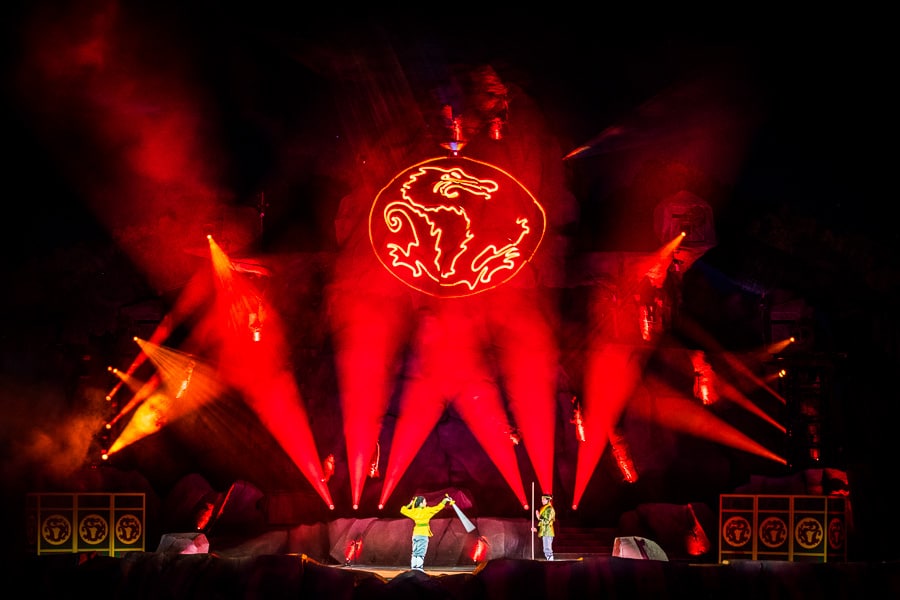
In the second half of the 10-year plan, a very sensible thing would be building lands or attractions that appeal to millennial women. Basing new lands and attractions on movies from the Disney Renaissance that were popular when they were kids would be an optimal approach. I would’ve argued for this years ago–Swift’s success just further vindicates it.
This demographic has purchasing power and childhood nostalgia, and is going to be a strong consumer for years to come during their prime earning years. This is precisely why Walt Disney World has doubled-down on building bars and other experiences appealing to millennials, meet & greet characters from the 1990s, etc. (Jollywood Nights is a prime example of a mix of these approaches in action.)
It’s not just women, either. I’d hazard a guess that there’s a fair amount of crossover appeal and sentimentality for most Disney Renaissance-era and more recent Disney and Pixar movies. It’s also not just single women, men, or couples–although those are huge, growing demographics to which Disney should be doing more to cater (see Japan as a preview of the future). Millennial parents undoubtedly want to share their favorite films and characters with their kids, too.
It’s absolutely wild that there are no real rides for Beauty and the Beast, Aladdin, The Lion King, Pocahontas, Hunchback of Notre Dame, Hercules, Mulan or Tarzan at Walt Disney World (especially the first three entries on that list). That could likely be extended to include Lilo & Stitch, The Emperor’s New Groove, The Incredibles, Tangled, Up, and other Disney and Pixar films from the aughts.
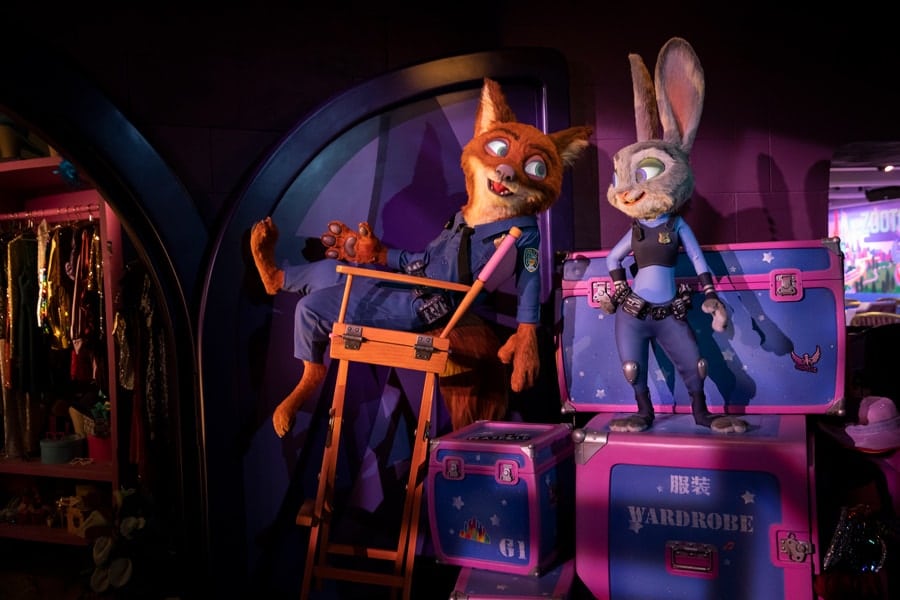
This is not to say Walt Disney World should exclusively target these “older” intellectual properties for its expansion plans. For a number of reasons beyond the scope of this post (including demographics!), it makes sense to add more Moana, Coco, Inside Out, Frozen, Zootopia, and more recent releases from the Disney+ era.
It’s completely understandable that Disney would want to build attractions from active franchises that move merchandise and perform well in terms of key metrics, like minutes streamed. But the argument for building these attractions doesn’t need to be made. It’s self-evident; it’s the default.
It’s crazy that this even needs to be written. Peter Pan’s Flight and Seven Dwarfs Mine Train, rides based on movies that are over a half-century old, have among the highest wait times in Magic Kingdom. Current box office, minutes streamed, or merchandise sales are hardly conclusive of attraction popularity or drawing power. I don’t know which executive needs to hear this, but Disney+ and Walt Disney World are two very different things!
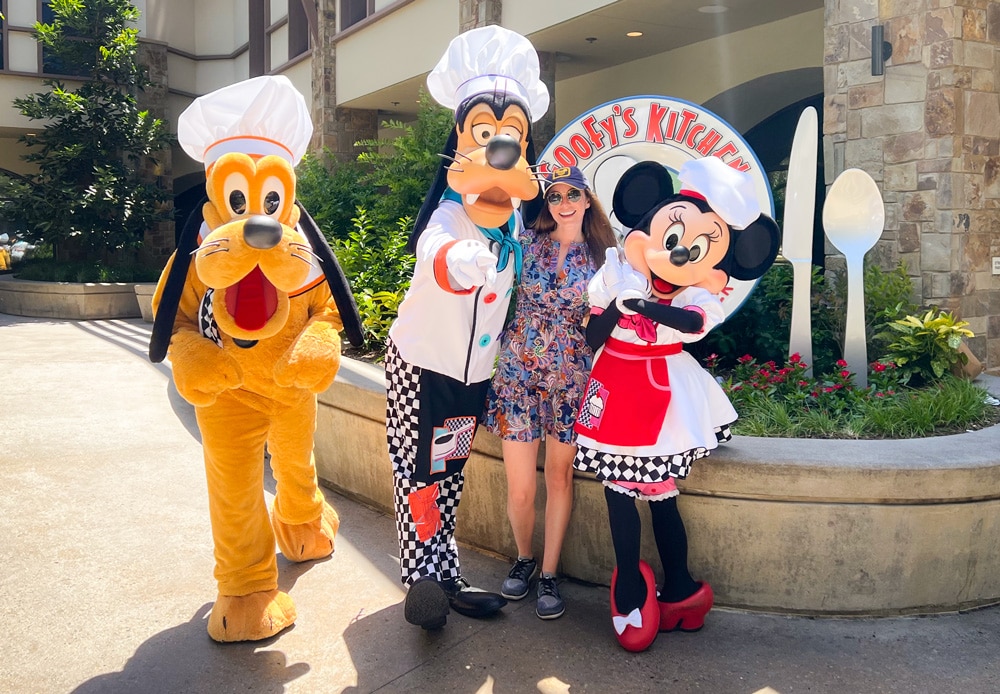
A final lesson that Walt Disney World could learn from Taylor Swift, and perhaps this is the bigger one is that people crave communal, in-person experiences. The good news is that this is exactly what Walt Disney World is–and the enduring popularity of this type of ‘tentpole’ activity could be part why the company plans to invest $60 billion into Parks & Resorts.
Nevertheless, it bears mentioning because Walt Disney World has spent the last decade-plus making the communal activity of theme parks less so in ways big and little. The Play Disney Parks app, for example, takes guests at least partially out of the tactile world and into the virtual one. Then, of course, there’s the suite of features in the My Disney Experience app that cause guests to bury their faces in their phones.
Look, I’m not a technophobe. Features like Mobile Order, Walkup Waitlist, and more are fantastic (and potentially important for an aging population!). But there’s a delicate balance. I don’t know exactly where that is, but the pendulum has swung too far towards technology, and things like the Meta Ray-Ban Smart Glasses are exactly the wrong solution.

Walt Disney World should lean more into its core quality as a communal, in-person experience. This is something that people are going to crave more and more as an antidote to the ever-increasingly virtual and isolated media landscape. Guests will still be on their phones–that’s the nature of the beast–but don’t try to compete with or add to that. Let them spend that time as they will, on social media creating content that generates more FOMO for the parks!
Planning a Walt Disney World trip? Learn about hotels on our Walt Disney World Hotels Reviews page. For where to eat, read our Walt Disney World Restaurant Reviews. To save money on tickets or determine which type to buy, read our Tips for Saving Money on Walt Disney World Tickets post. Our What to Pack for Disney Trips post takes a unique look at clever items to take. For what to do and when to do it, our Walt Disney World Ride Guides will help. For comprehensive advice, the best place to start is our Walt Disney World Trip Planning Guide for everything you need to know!
Your Thoughts
Do you think there are any lessons that Walt Disney World could learn from Taylor Swift? Agree or disagree with our commentary about demographics and catering more towards millennial women? Any questions we can help you answer? Hearing your feedback–even when you disagree with us–is both interesting to us and helpful to other readers, so please share your thoughts below in the comments!